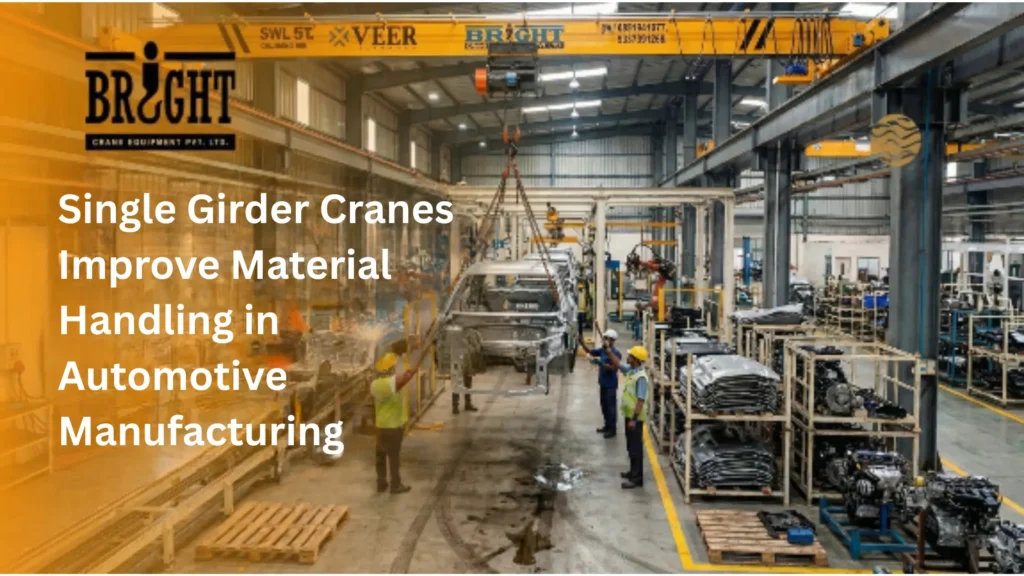
How Overhead Crane Works and Where It’s Used

An Overhead Crane is an important lifting device commonly found in industrial environments for efficiently lifting heavy materials. These cranes are commonly found in various industrial environments, including manufacturing plants, warehouses, and construction sites. The cranes are an important part of industrial environments due to their ability to lift materials that are too heavy for manual lifting.

Understanding how an Overhead Crane works and where it is commonly used can be an important step for any business to find the best lifting equipment for their needs.

How an Overhead Crane Works

An Overhead Crane operates through a coordinated system of mechanical components that allow it to lift and transport heavy materials efficiently across a workspace. Below is a step-by-step explanation of how the crane functions during operation.

Step 1: Positioning the Crane

The first step in the operation involves the movement of the crane bridge along the runway rails that are attached to elevated beams in the facility. This movement enables the crane to be positioned in the general area where the load needs to be lifted.

Step 2: Moving the Trolley

The second step involves the movement of the trolley along the crane bridge. This movement enables the lifting mechanism to be positioned directly above the material or load that needs to be lifted.

Step 3: Lowering the Hoist

The hoist, which is attached to the trolley, is used for lowering the hook or lifting attachment towards the load. This attachment is then carefully positioned so that it can be attached or connected to the load using slings or chains.

Step 4: Lifting the Load

Once the load is properly secured, the hoist lifts the material vertically off the ground. The lifting mechanism utilizes wire ropes or chains driven by an electric motor for lifting the load.

Step 5: Transporting the Load

The load is now lifted, and the trolley will move horizontally to the bridge while the bridge can move on the rails of the runway. This enables the crane to move the load to the desired point.

Step 6: Positioning and Lowering the Load

The crane is now positioned at the desired point, and the hoist slowly lowers the load to the desired position. The load is now safely positioned.

Step 7: Safety and Control Systems

Overhead cranes are operated either by pendant controls or remote controllers or operator cabins. Safety is also ensured by the safety features provided by the cranes, including overload protection devices, limit switches, emergency stops, etc.

Key Components of an Overhead Crane

Several important components work together to ensure smooth crane operation:

  • Bridge Girder: This is a horizontal beam that supports the trolley and hoist.
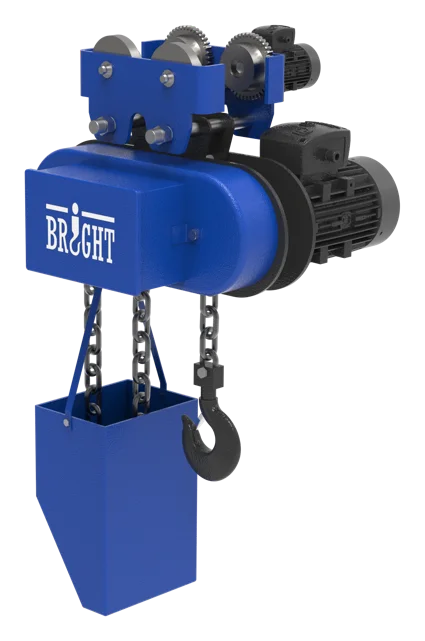
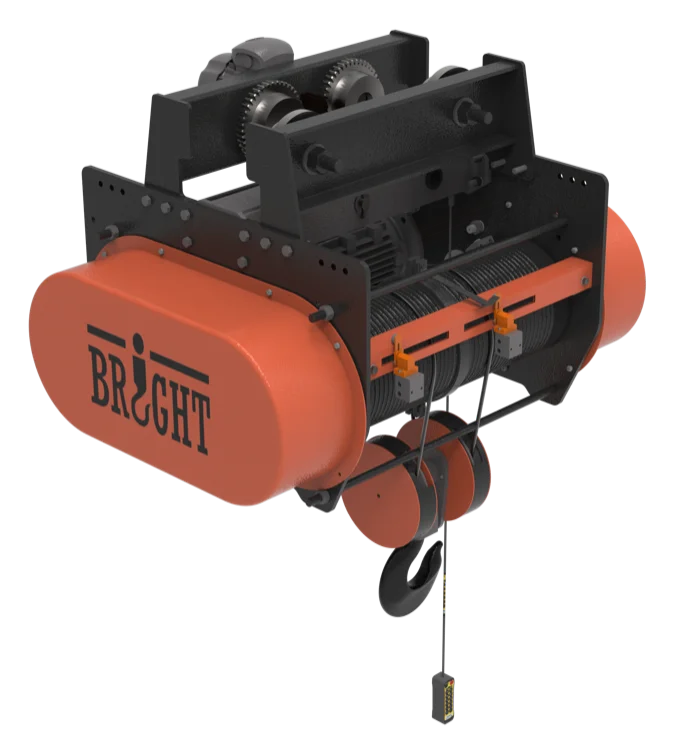
  • Hoist: This is a part of the overhead crane that lifts and lowers the load.
  • Trolley: This part of the overhead crane moves along the bridge.
  • Runway System: This part of the overhead crane enables movement along the building structure.
  • End Trucks: These are located at both ends of the bridge, helping the crane move along the runway system.

These components work together to provide efficient and controlled lifting operations in industrial environments.

Looking for a Reliable Overhead Crane Solution?

Bright Crane Equipment provides high-quality overhead crane systems designed to improve operational efficiency.

Types of Overhead Crane

Overhead cranes are widely used in industries for efficient material handling and lifting heavy loads. Below are some common types of overhead cranes based on their girder structure, running mechanism, and overall design.

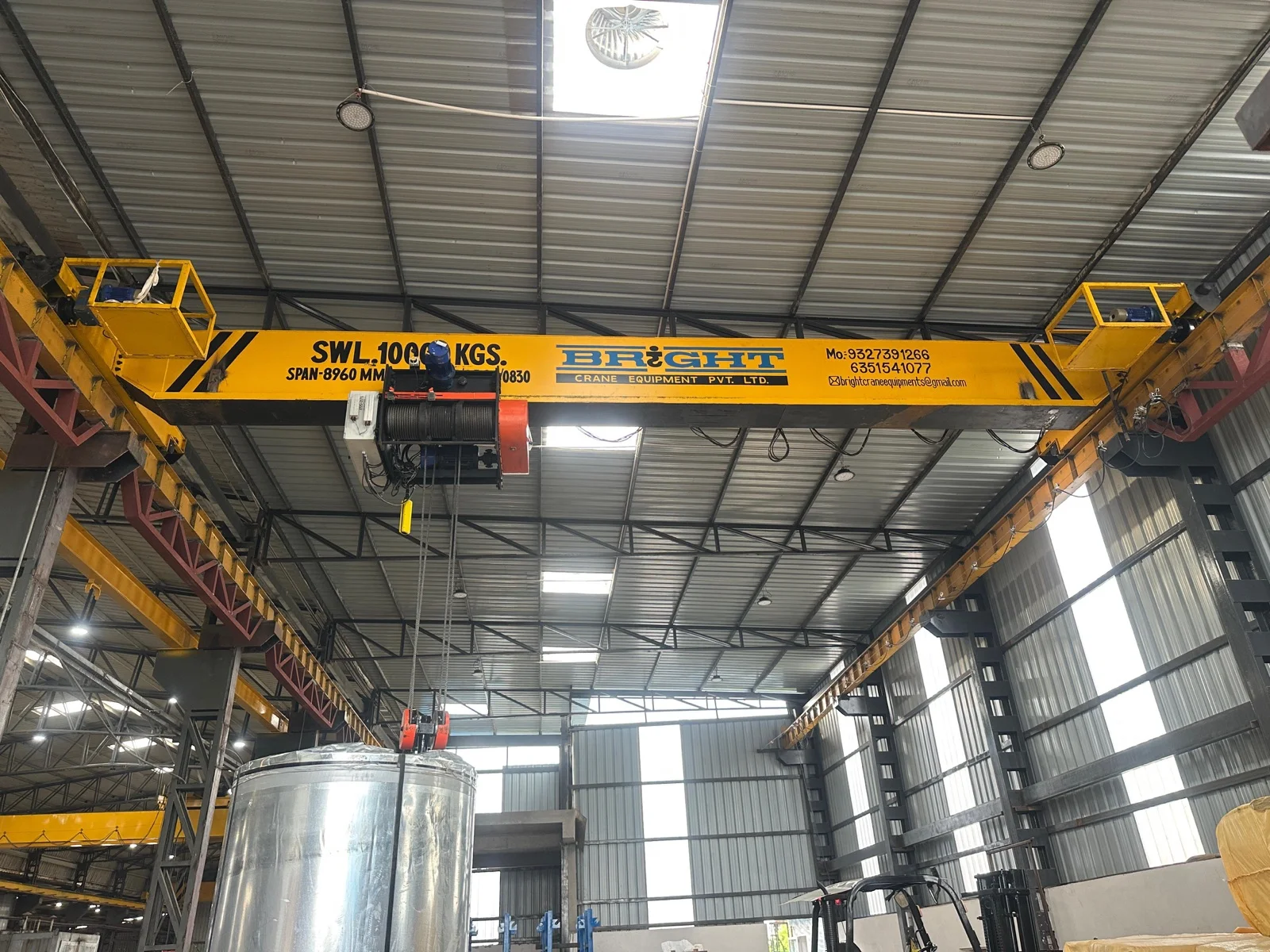
1. Single Girder

This crane uses a single girder mounted on top of runway beams. The hoist moves along the top of the girder, making it suitable for medium-duty lifting tasks. It is commonly used in workshops, warehouses, and small manufacturing units.

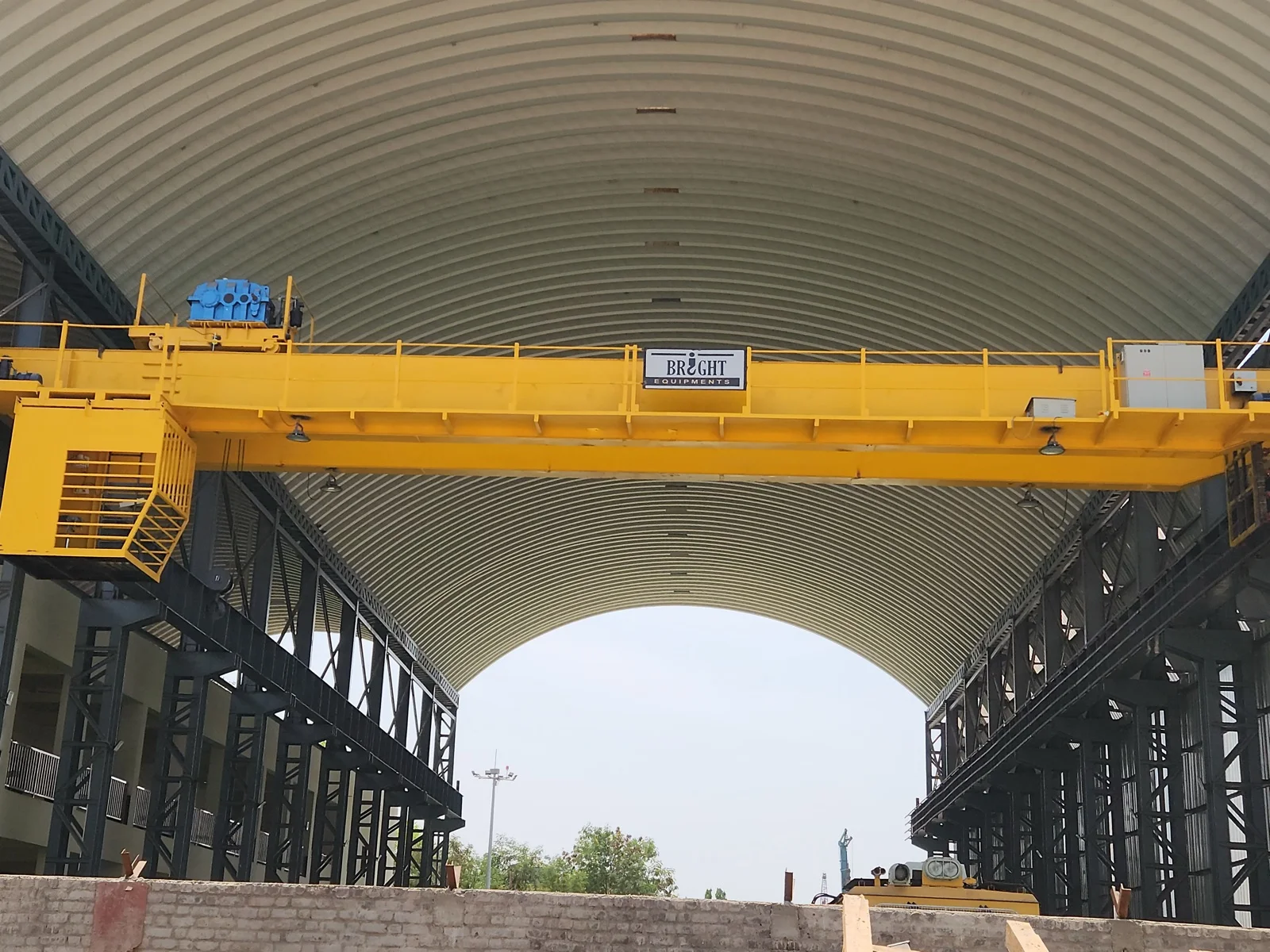
2. Double Girder

This crane has two girders with the trolley running on rails placed on top. The design allows higher lifting capacity and improved stability. It is widely used in heavy-duty industrial applications.

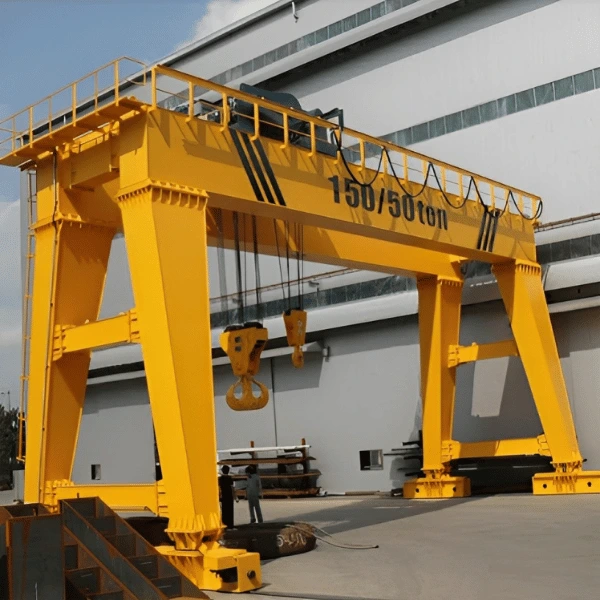
3. Gantry Crane

A gantry crane is supported by legs that move on ground rails instead of overhead runway beams. This makes it suitable for outdoor operations and open work areas. It is commonly used in shipyards, construction sites, and container yards.

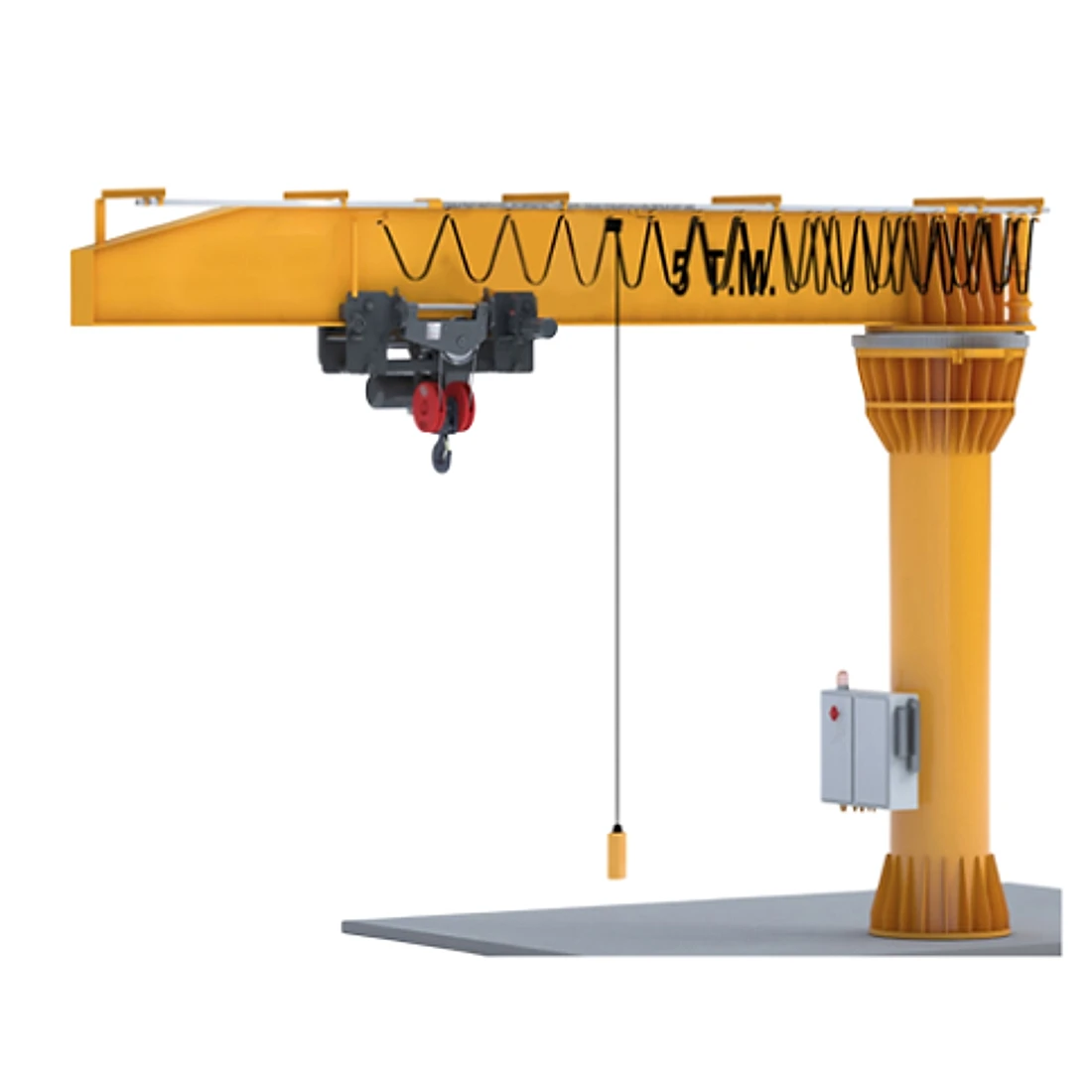
4. Jib Crane

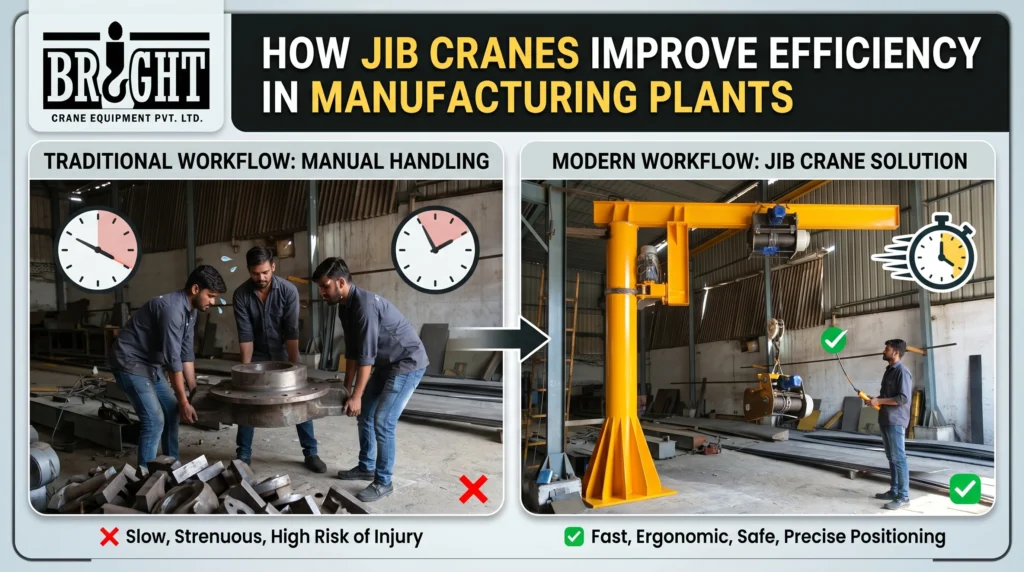
A jib crane features a horizontal arm mounted on a wall or pillar. The hoist moves along the arm to lift and move materials within a small working area. It is commonly used for workstation-level material handling.

5. Workstation Crane

Workstation cranes are lightweight systems designed for repetitive lifting tasks. They provide smooth and efficient material movement within a specific work area. These cranes are commonly used in assembly lines and small production units.

7. Monorail Crane System

A monorail crane operates on a single beam or track that guides the hoist along a fixed path. It is ideal for transporting materials between specific points. These systems are widely used in warehouses and production lines.

Common Applications of Overhead Cranes

Overhead cranes are used across multiple industries due to their versatility and lifting capacity. They significantly improve productivity by reducing manual handling and speeding up material movement.

Manufacturing Industry

The manufacturing industry utilizes overhead cranes in manufacturing plants for transporting raw materials, manufacturing parts of heavy machinery, and transporting finished products through various production processes. This helps in smooth manufacturing processes in industries.

Warehouses and Logistics Centers

Overhead cranes are used in warehouses for lifting and transporting cumbersome goods, machinery, and storage equipment. This helps in utilizing floor space in warehouses since the crane is mounted over the floor area.

Steel and Metal Processing

The steel industry utilizes overhead cranes for lifting and transporting heavy metal sheets, coils, etc., during manufacturing processes. The strength of these cranes makes them suitable for industrial applications.

Conclusion

An Overhead Crane is a powerful crane that is used for lifting heavy materials. It is a versatile crane that is used for lifting materials in different directions. This feature has made it a fundamental tool for different industries, including construction, metal processing, warehousing, and manufacturing. By acquiring a powerful Overhead Crane from Bright Crane Equipment, companies are able to improve their productivity while ensuring safety in the workplace. This has made it a fundamental tool for different industries that are into heavy lifting. With a powerful crane, companies are able to grow their industries.